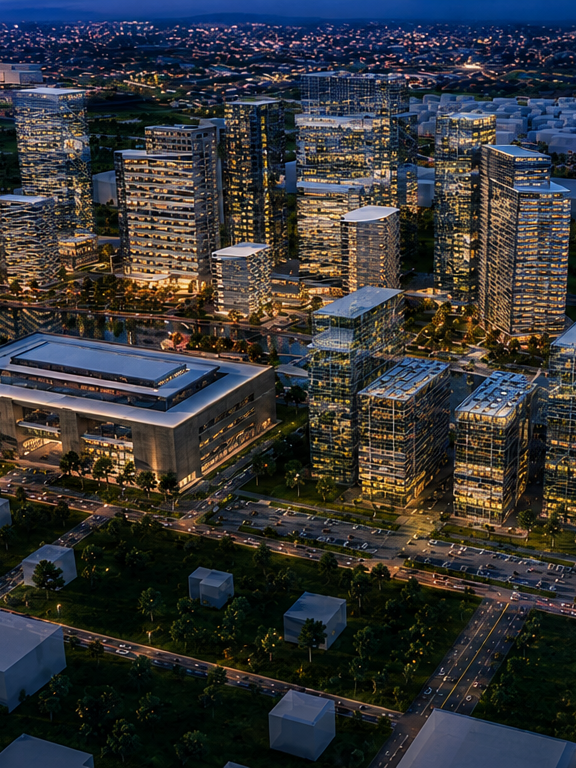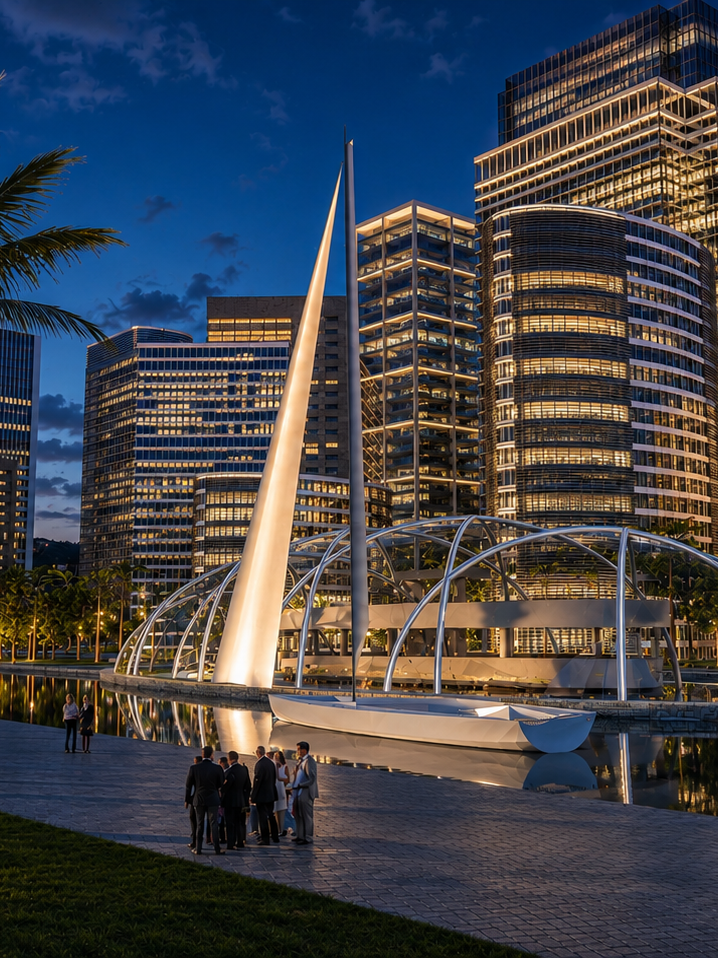
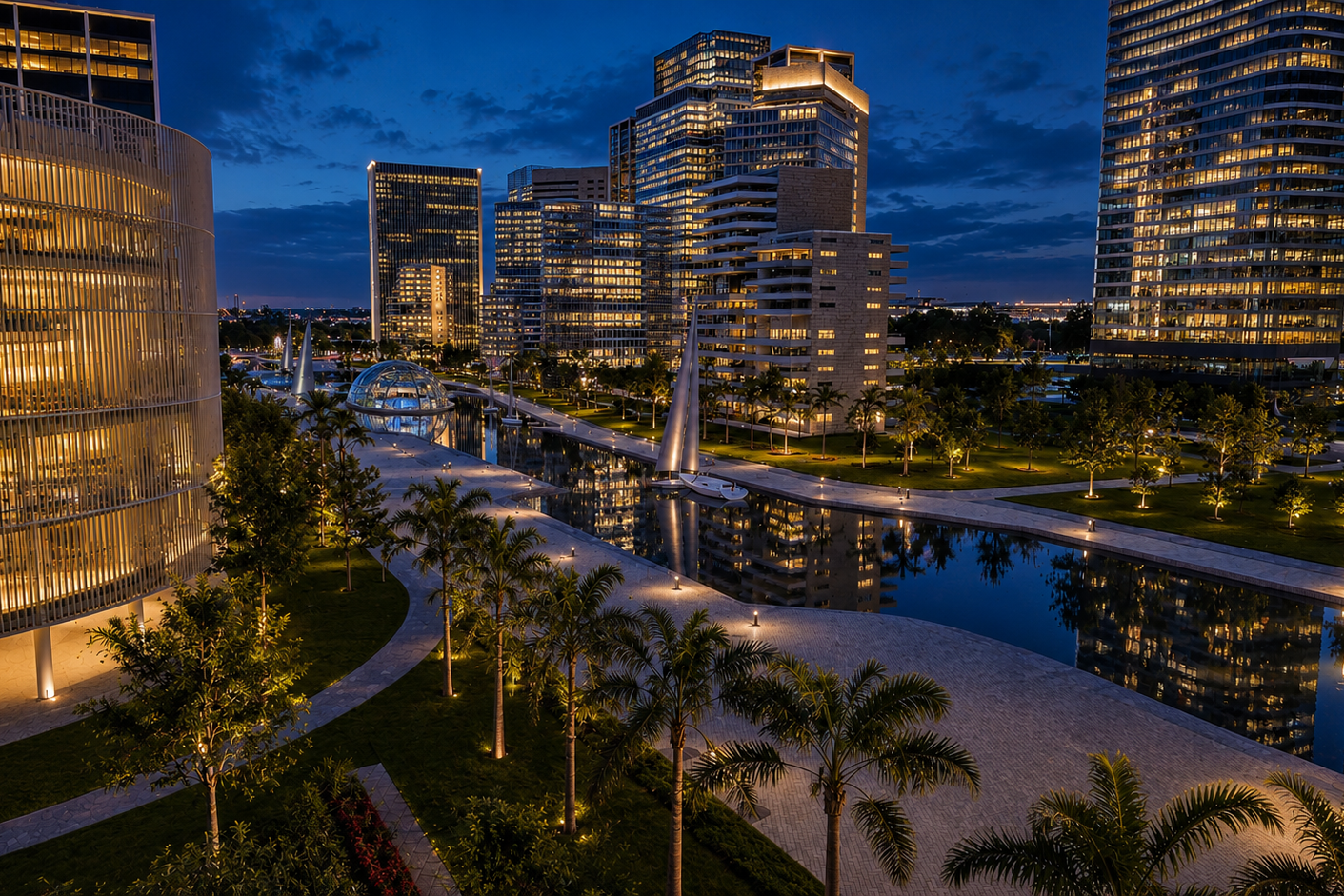
The master plan for the recreation of Hellinikon, spanning a monumental 5.5 million square meters on the grounds of the former Athens International Airport, redefines the global paradigm of large-scale urban regeneration.
Grounded in a rigorous, data-driven methodology initiated during the landmark 2007 international competition, the design framework seamlessly synthesizes an ambitious mixed-use programmatic flow. By effortlessly weaving together commercial, residential, cultural, and recreational sectors, the proposal establishes a fluid, self-sustaining civic ecosystem deeply connected to its regional context.
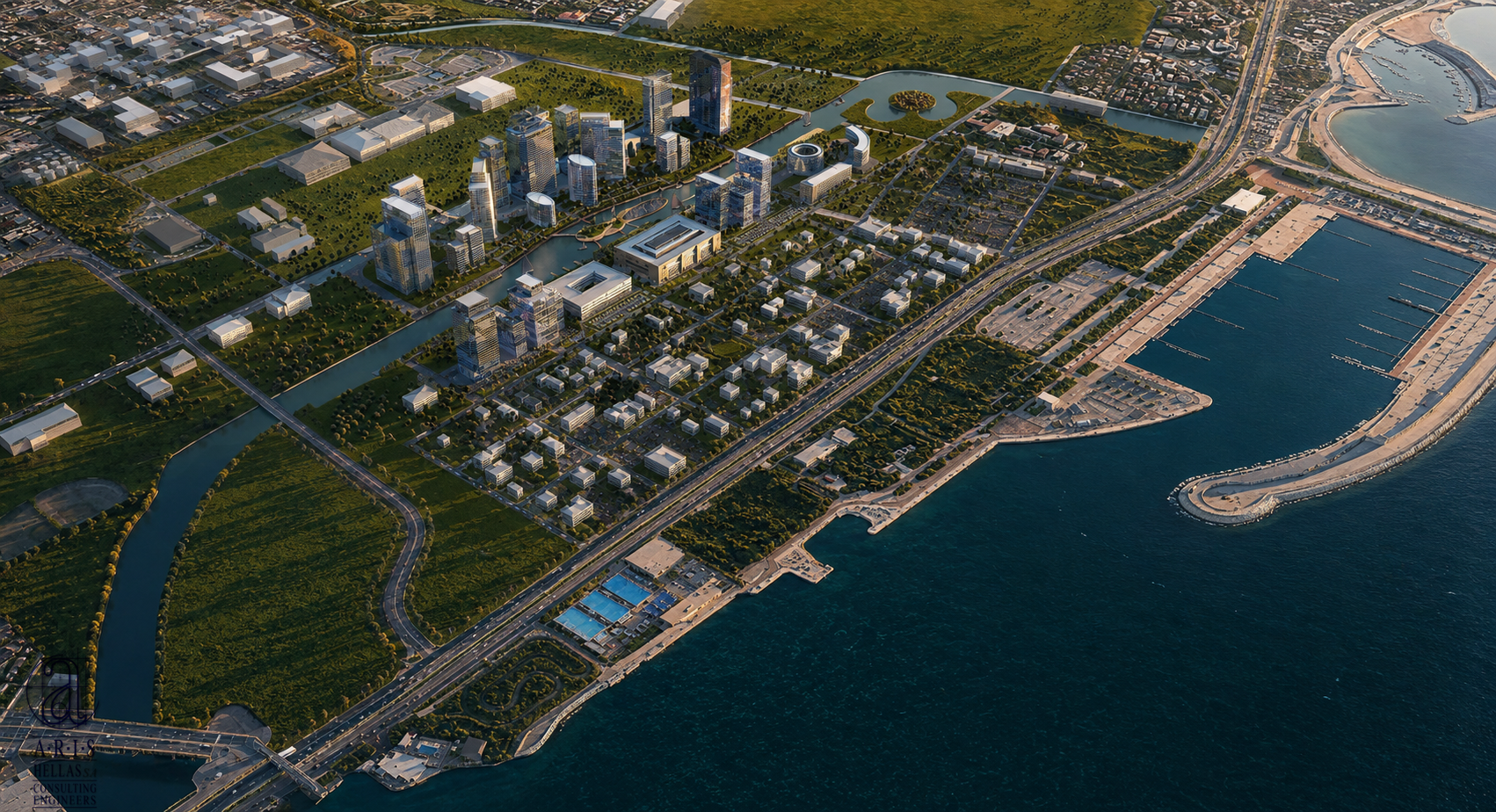
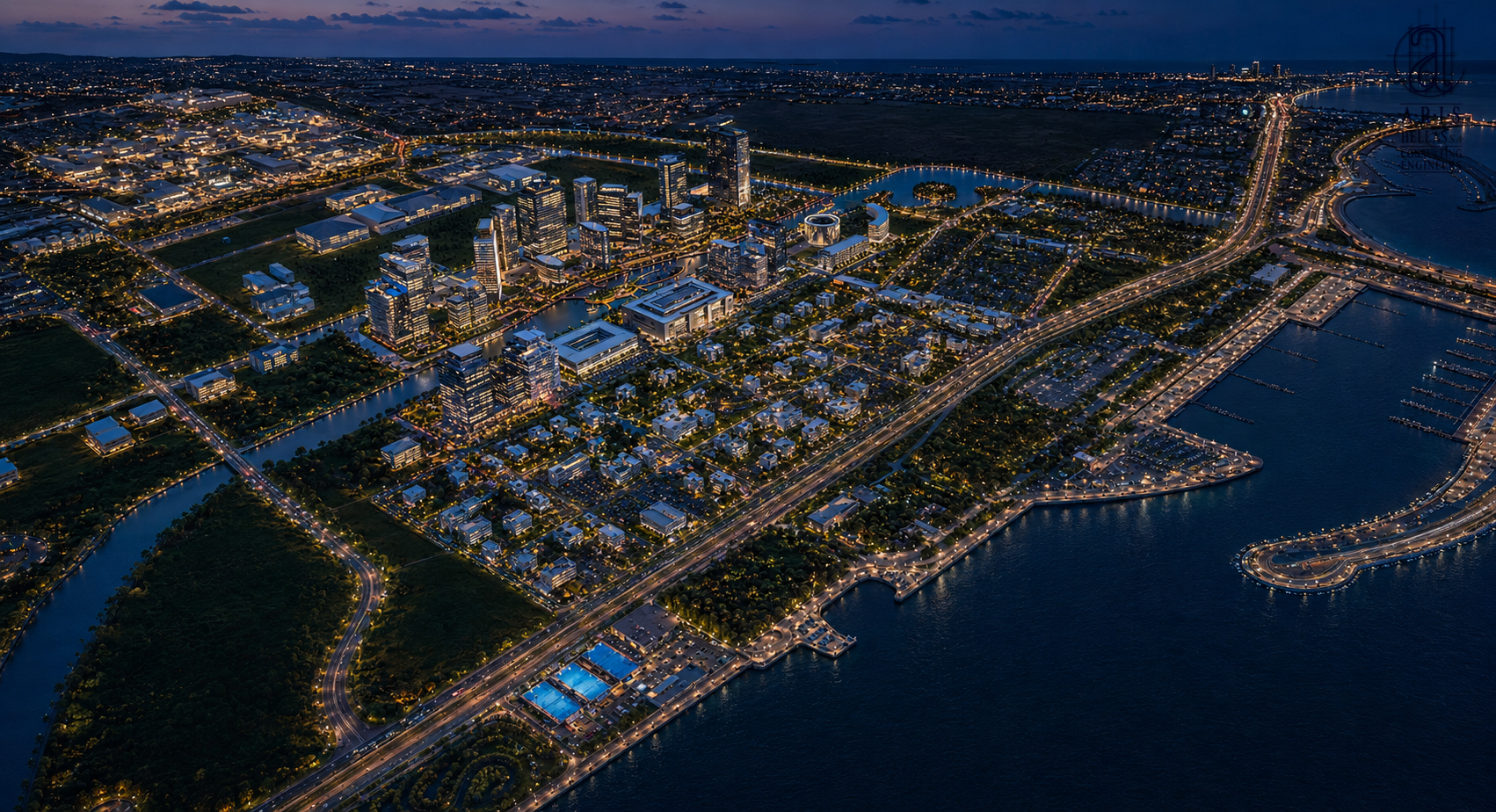
As visualized in the architectural master plan rendering, the core design philosophy deliberately embraces verticality as a primary tool for ecological and spatial preservation. By modulating the built form to an intentional height of approximately 70 meters, the proposal drastically minimizes ground-level site coverage. This strategic footprint reduction liberates the vast majority of the plot, unlocking an expansive, contiguous green sanctuary for the public realm. Bisecting this vibrant urban landscape is a grand civic canal; this linear water feature acts as a profound spatial threshold, weaving a fluid blue axis through the dense developments and securing a vital, uninterrupted connection to the Aegean seafront.
Location
Helsingborg
Size
240,000 m²
Designer
M. Karlsson
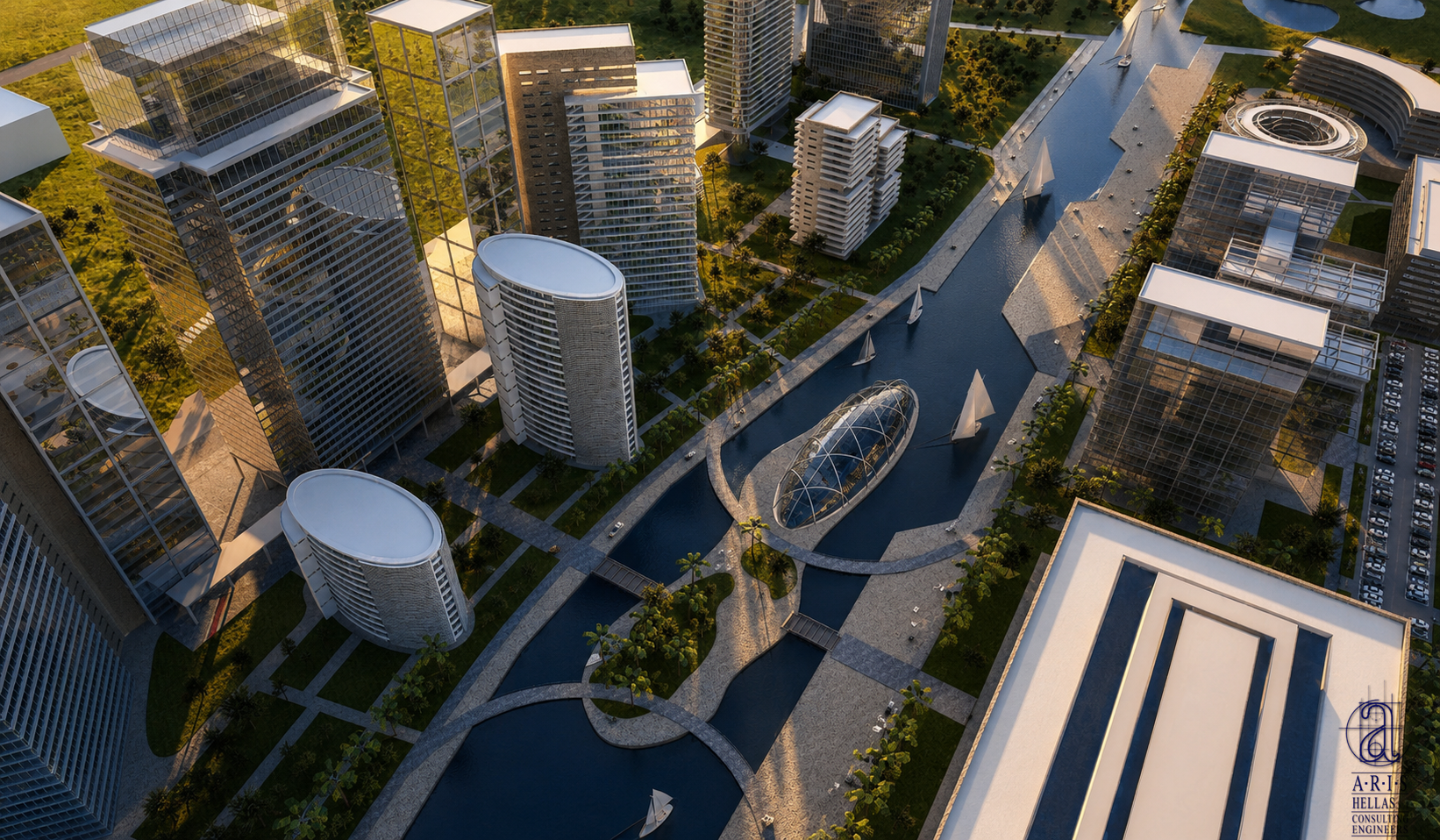
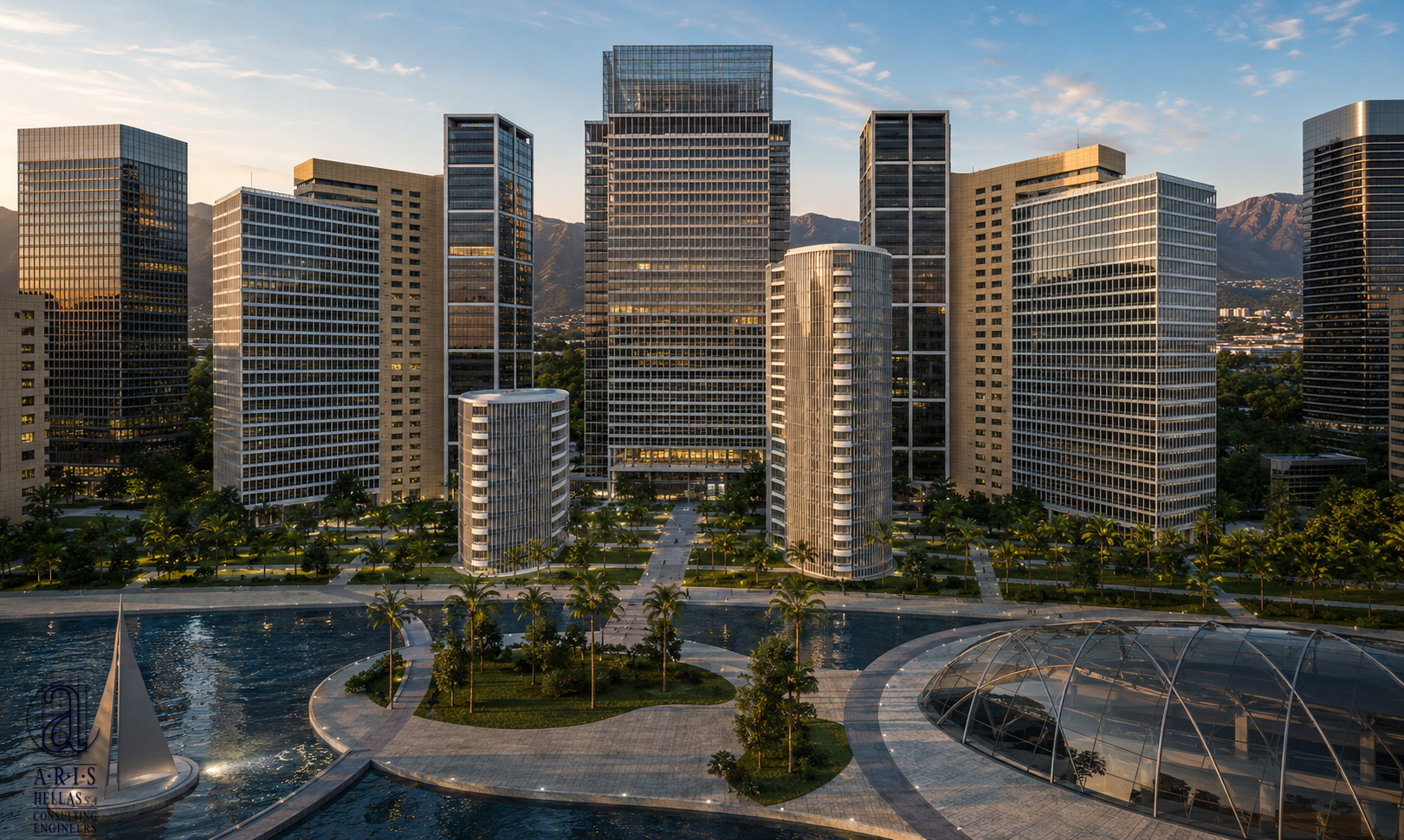
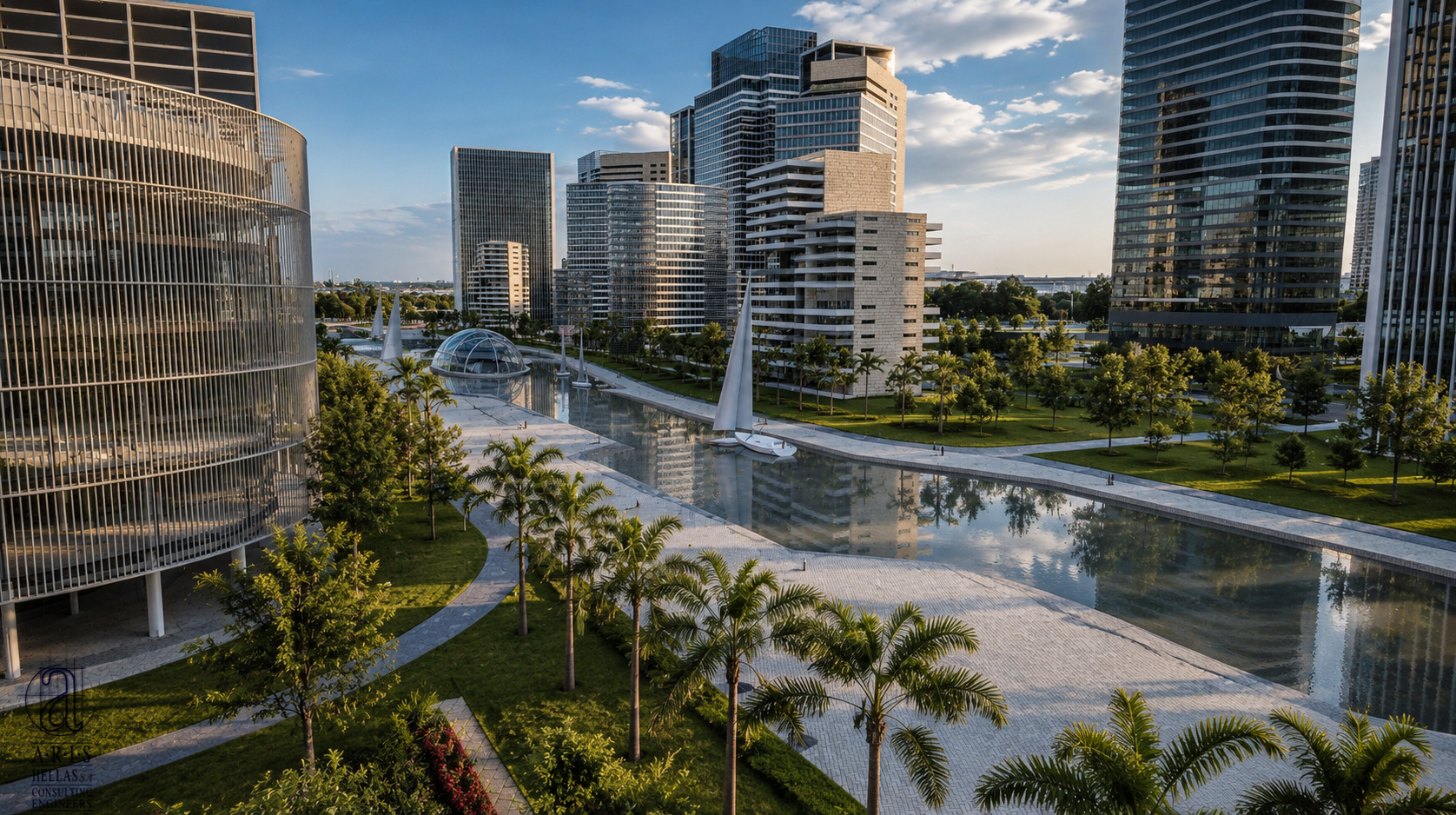
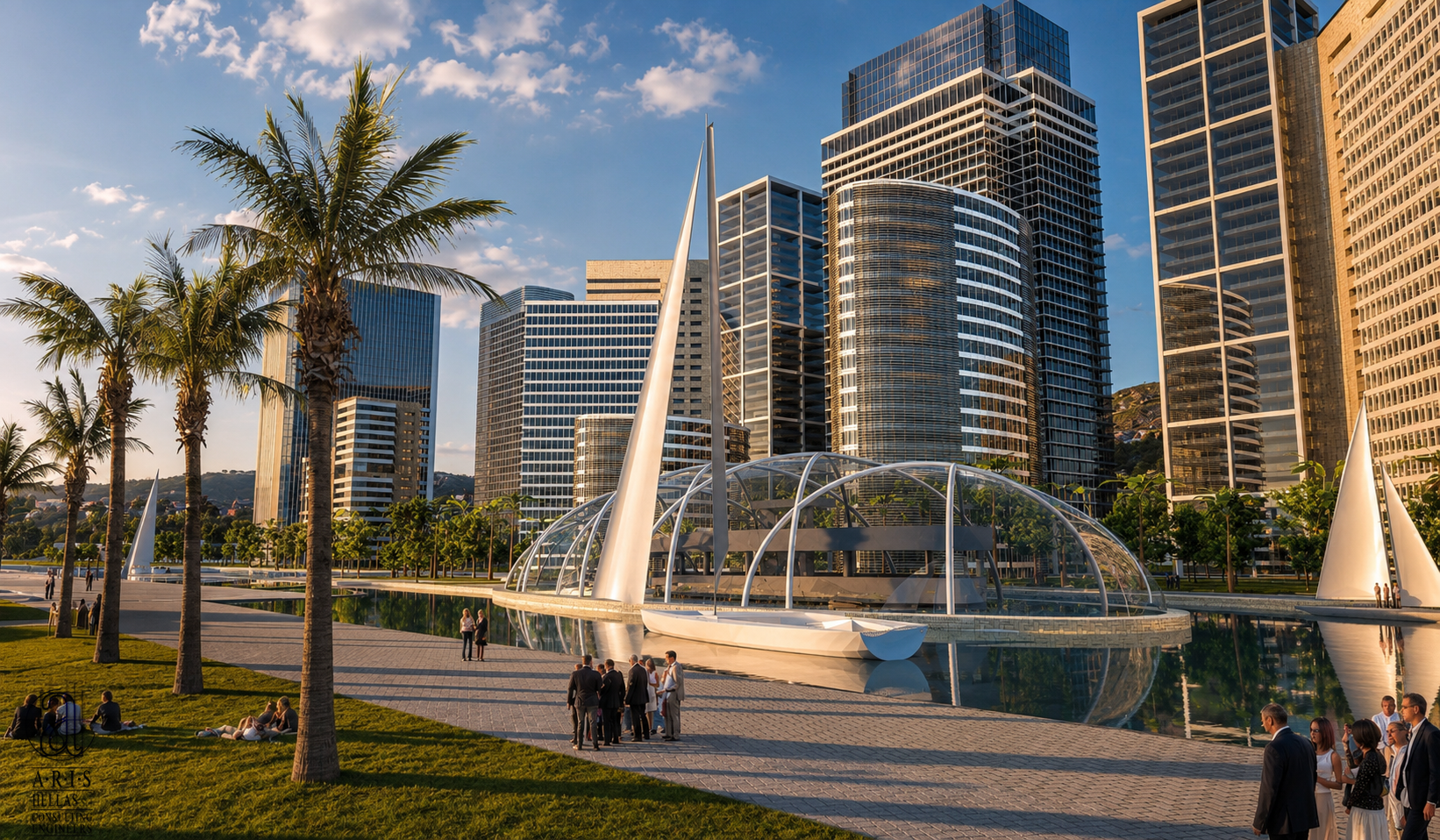
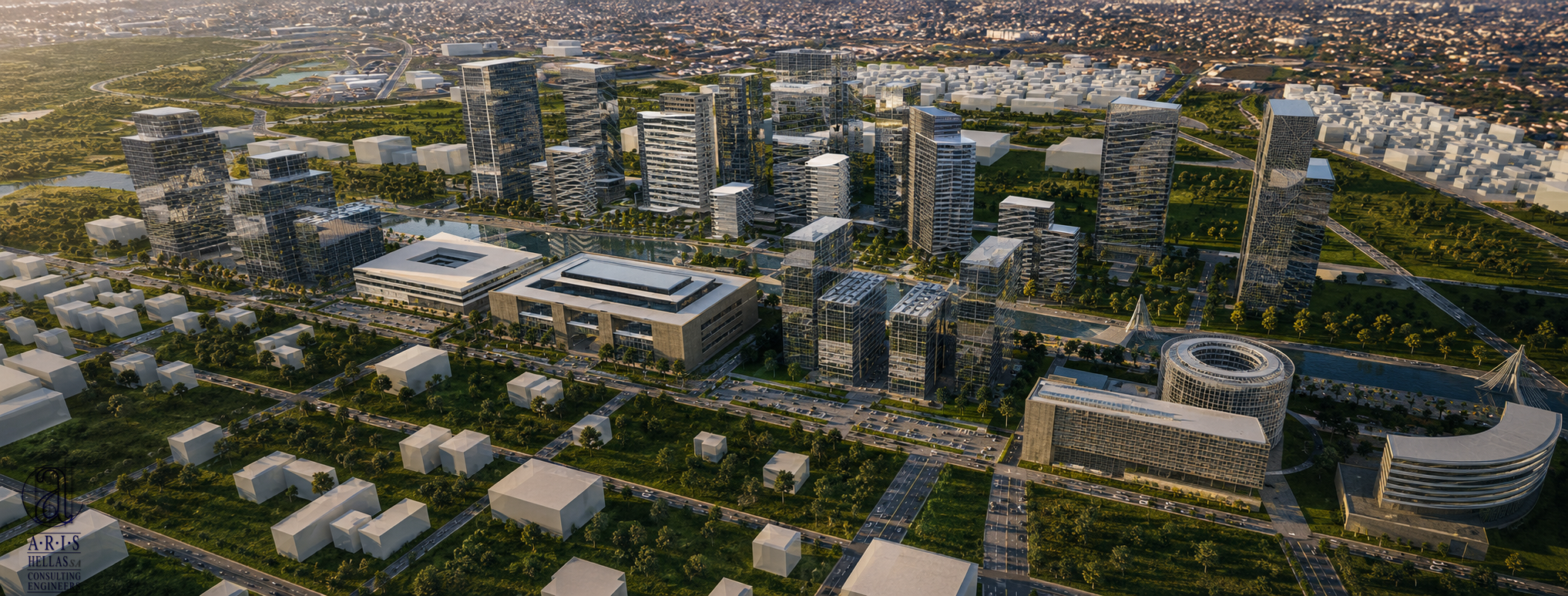
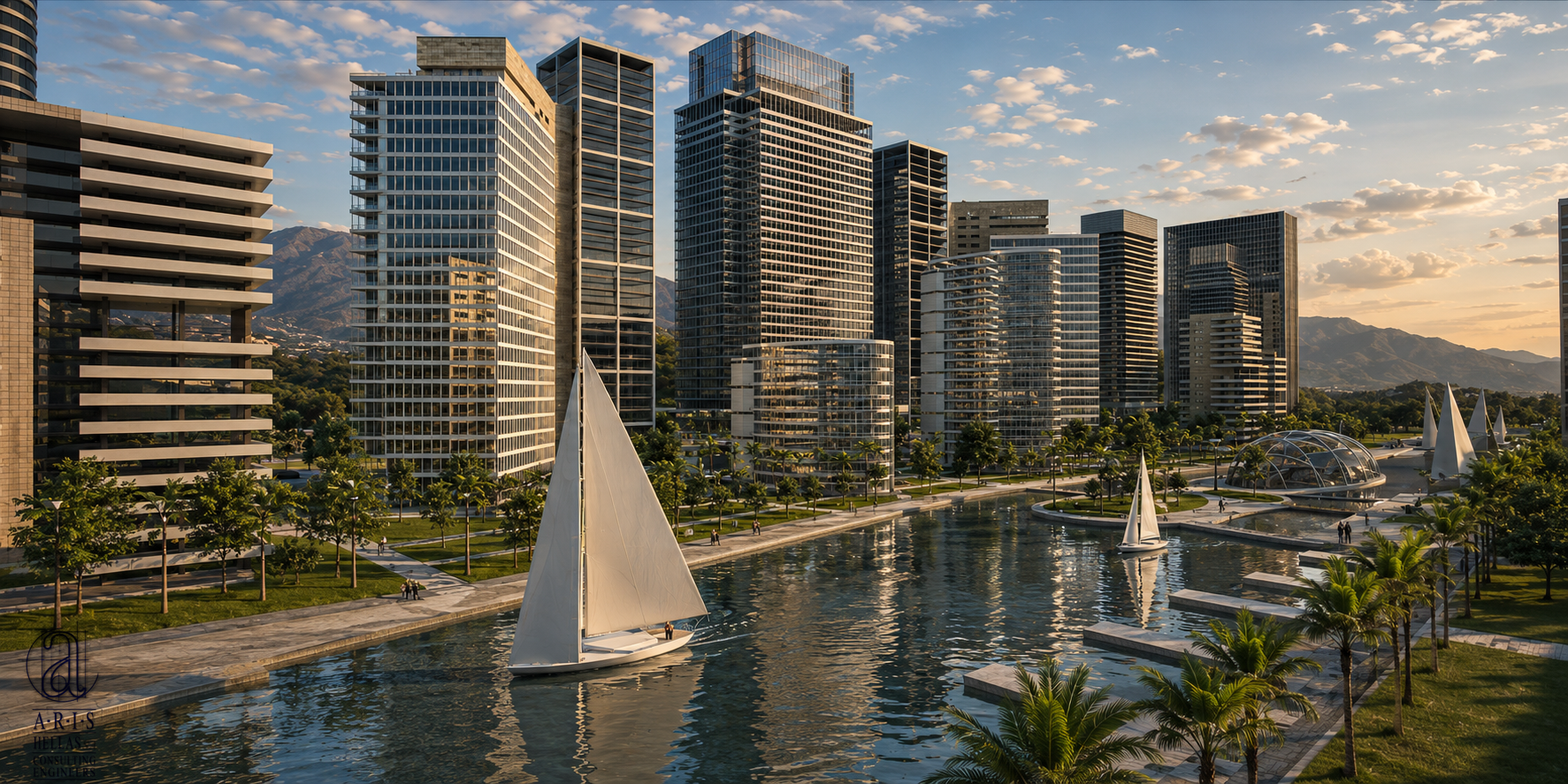
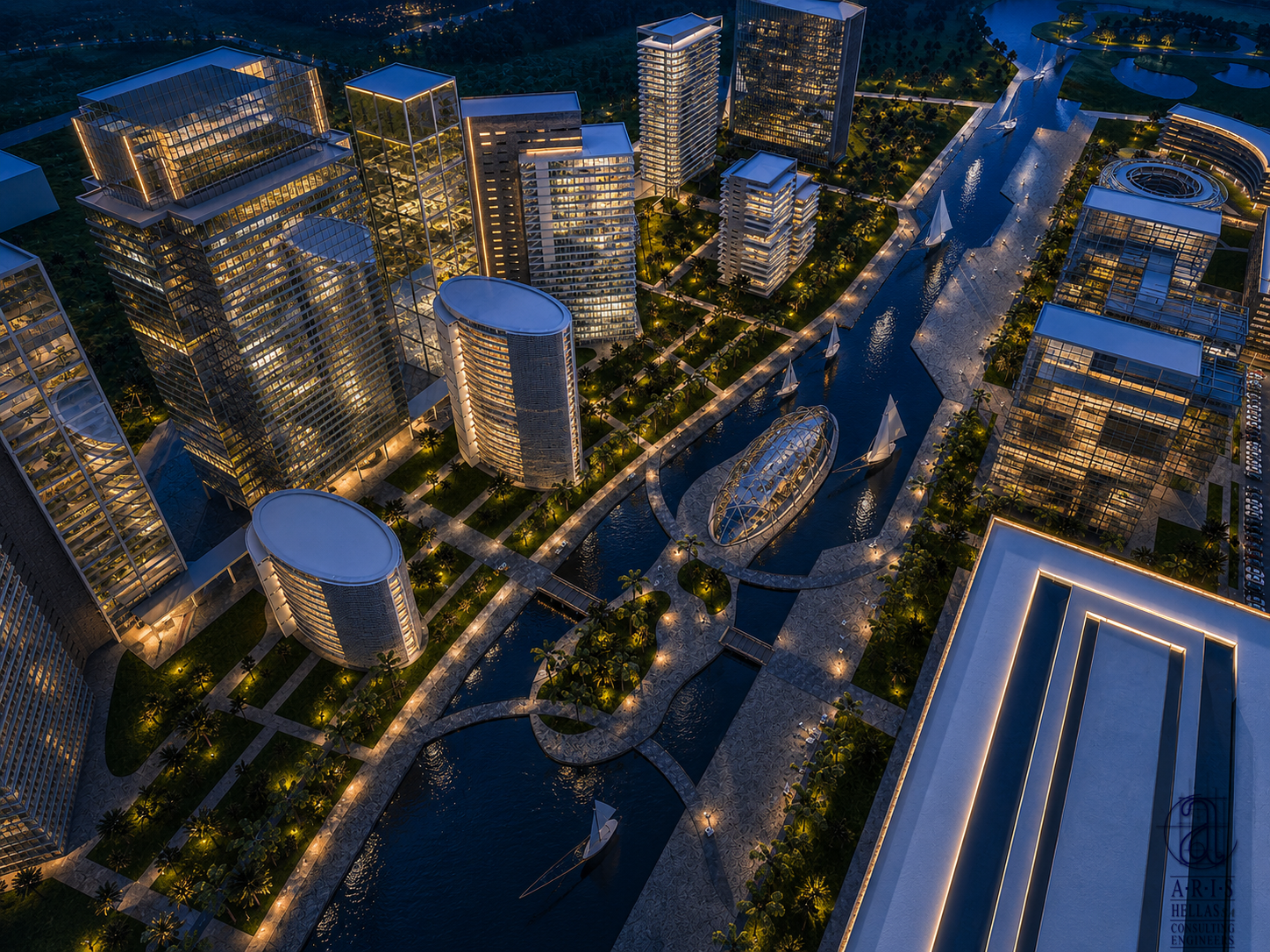
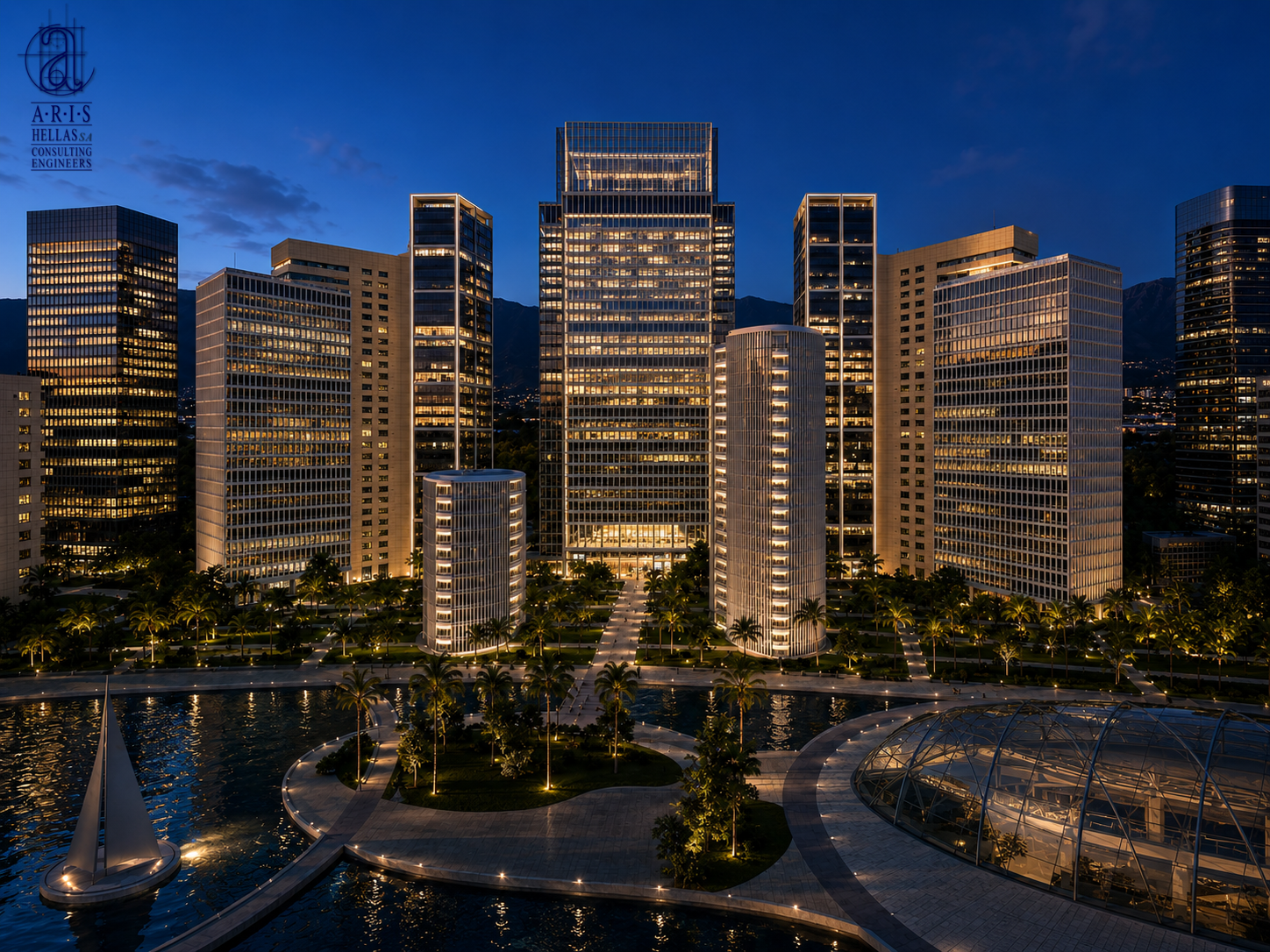
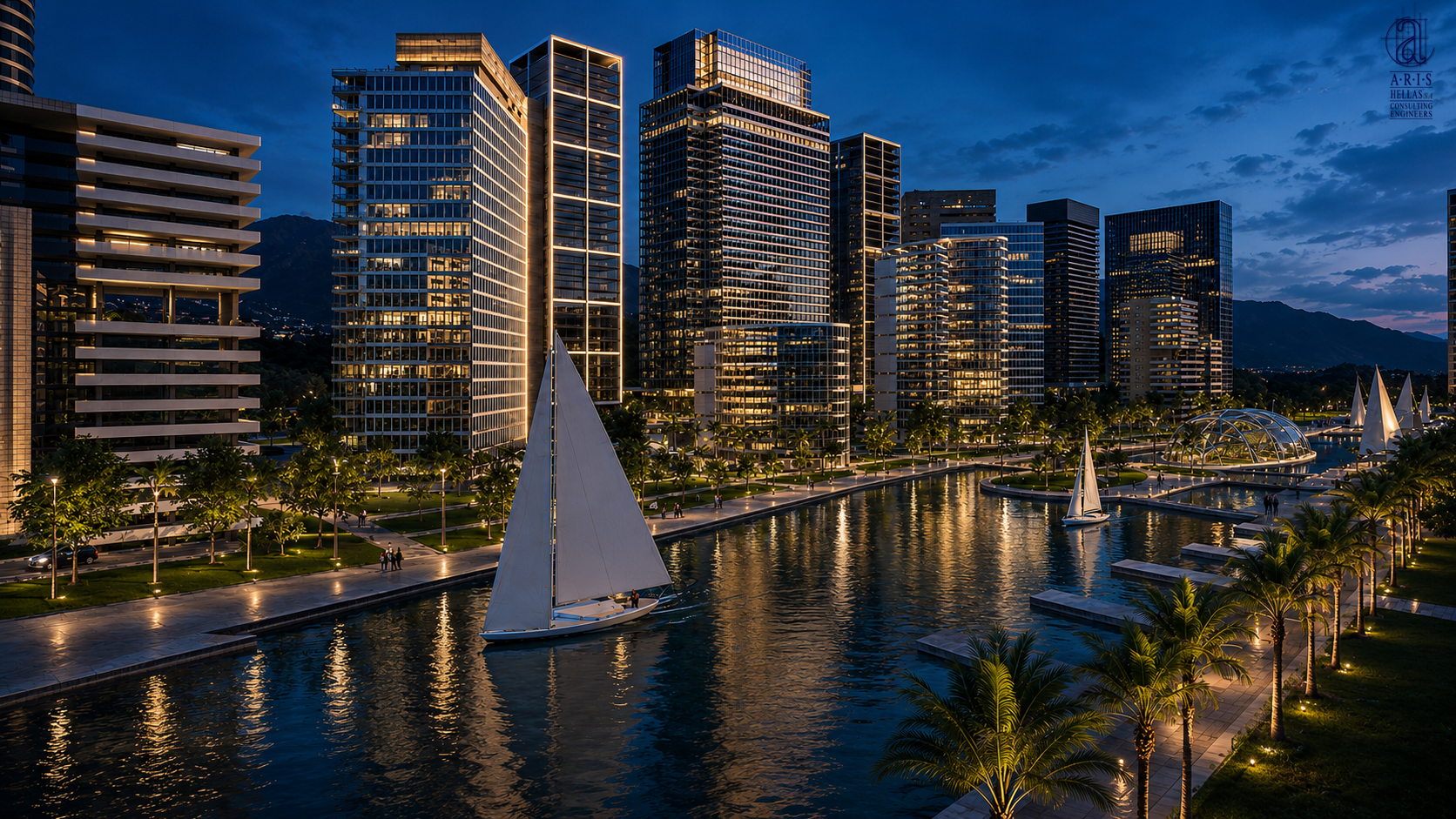
The tectonic expression of the towers utilizes sleek, high-performance glass facades that interact dynamically with the intense Mediterranean light, creating an elegant interplay of reflection, transparency, and shifting shadow throughout the day. At the pedestrian scale, the materiality transitions to tactile, grounding elements that frame wide promenades and public plazas, curating an inviting choreography of movement. This sophisticated balance of site-specificity, visionary architecture, and proven economic feasibility not only catalyzed immense global investment interest but ultimately pioneered the conceptual benchmark for one of Europe’s most significant coastal transformations.